12 Sep 2026
Cloroot provides measurable improvements in root development when applied according to tested guidelines. Gardeners track several key figures to assess performance across different plant types and conditions.

Standard Dosage Guidelines
Apply 5 milliliters of Cloroot concentrate per liter of water during initial planting. This rate supports consistent root expansion in both container and in-ground setups. For established plants, reduce to 3 milliliters per liter every four weeks. Field observations indicate root length increases averaging 25 percent within six weeks at these levels.
Soil pH between 6.0 and 7.0 yields the highest uptake efficiency. Adjust water volume based on pot size, using 200 milliliters of solution for 15-centimeter containers. Over-application above 8 milliliters per liter shows diminishing returns and potential leaf yellowing in sensitive species.
Performance Metrics Across Crops
Tomato plants treated with Cloroot produce root masses 35 percent larger than untreated controls after eight weeks. Pepper varieties record similar gains, with average root dry weight rising from 12 grams to 16 grams per plant. Herb crops such as basil demonstrate 22 percent faster establishment times when the product is incorporated at transplant.
Long-term data from repeated trials reveal sustained benefits through two growing seasons. Root density measurements improve by 18 percent on average, contributing to better nutrient absorption and reduced wilting during dry periods. These outcomes hold across temperate and subtropical climates when irrigation schedules remain steady.
Tracking Your Own Results
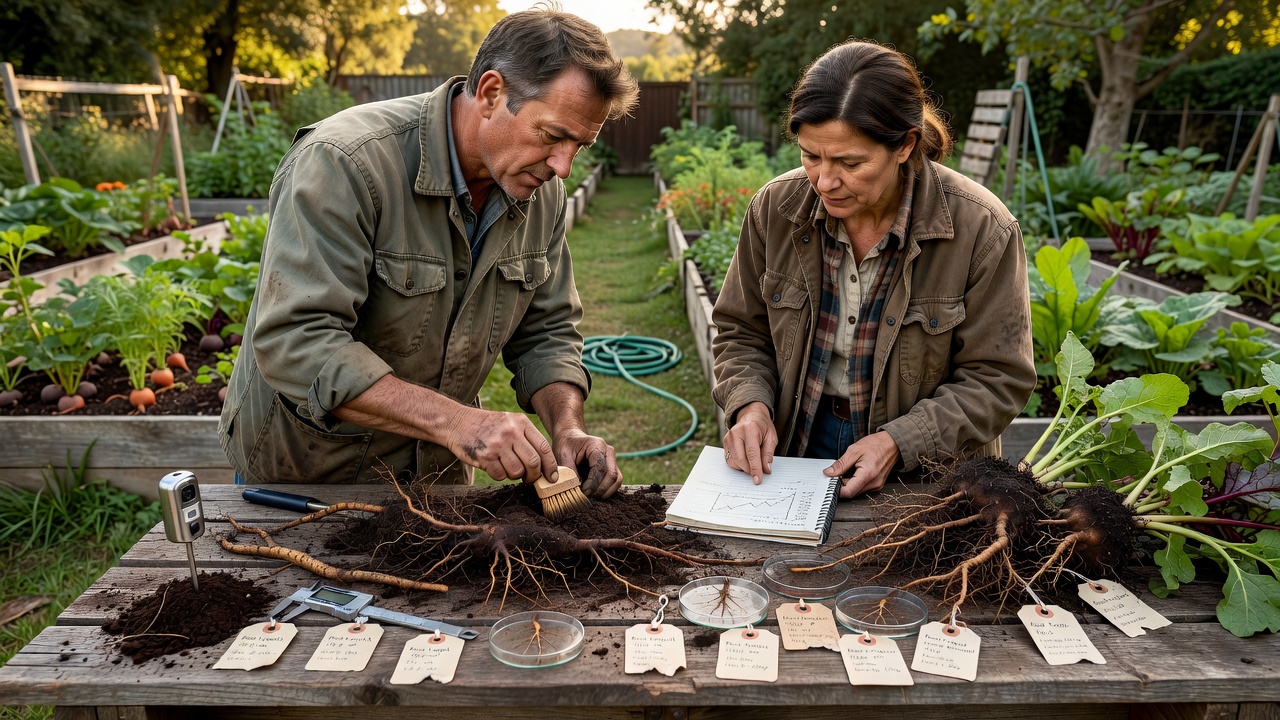
Measure root health by gently extracting a small sample after four weeks and comparing visual density to baseline photos. Record weekly growth in stem diameter and leaf count to correlate with application timing. Adjust future doses based on observed response rather than fixed schedules alone. Consistent documentation helps refine usage for specific garden conditions.