7 Sep 2026
Cloroot serves as a root enhancement solution aimed at supporting stronger plant foundations across diverse growing environments. It focuses on improving nutrient uptake and structural integrity without relying on synthetic additives.

What is Cloroot?
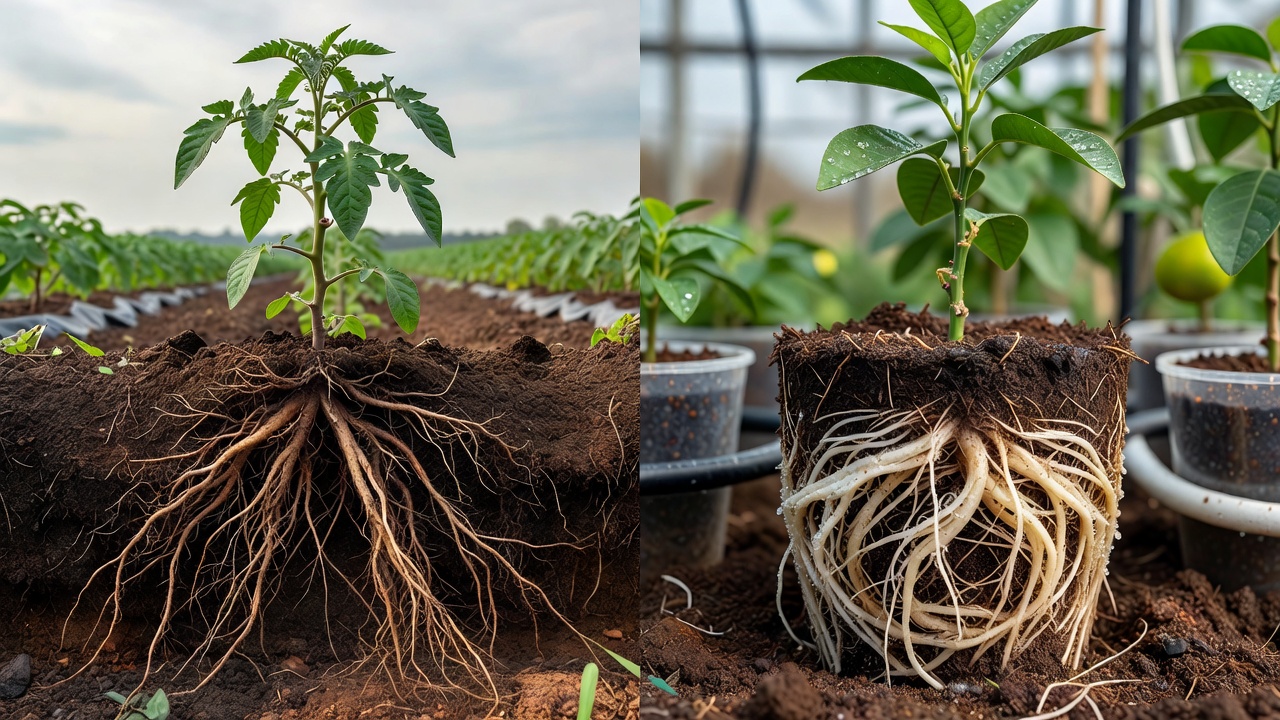
Cloroot is formulated from natural extracts that interact with soil biology to stimulate root development. Gardeners apply it to address weak root systems often caused by compacted earth or inconsistent moisture levels. The product works by encouraging beneficial microbial colonies that break down organic matter into accessible forms for plants. This process helps roots expand more freely, leading to improved stability and resilience against environmental stresses such as drought or temperature fluctuations.
Its composition avoids harsh chemicals, making it compatible with organic gardening practices. Many users integrate Cloroot into routines for vegetables, herbs, and flowering species alike, noting gradual improvements over several weeks of consistent use.
Key Benefits of Cloroot
Enhanced root density ranks among the most reported outcomes, allowing plants to draw water and minerals from deeper soil layers. This efficiency often translates to faster vegetative growth and reduced need for frequent fertilization. Cloroot also aids in minimizing transplant stress by supporting new root formation shortly after planting. Soil aeration improves as roots proliferate, which can decrease risks of root rot in overly wet conditions.
Long-term application contributes to healthier microbial ecosystems, fostering a self-sustaining growing medium. Observations from various climates indicate better flower production and fruit set in treated plots compared to untreated controls.
Applying Cloroot Effectively
Begin by preparing the soil or growing medium to ensure even distribution. Mix the recommended dosage with water and apply directly to the root zone, typically during early morning or evening hours to limit evaporation. Frequency depends on plant maturity and soil type, with most schedules suggesting treatments every two to four weeks during active growth periods.
Monitor plant response through regular checks of leaf color and stem strength. Adjustments may be needed based on specific crops or container versus in-ground setups. Pairing Cloroot with balanced watering practices and adequate sunlight optimizes results while maintaining sustainable care standards.