10 Mar 2026
Cloroot is a specialized formula aimed at enhancing root development in various plants. Gardeners often seek ways to ensure their plants establish strong foundations, and Cloroot provides a targeted approach to this common challenge. By focusing on root strength, users can expect improved nutrient uptake and greater resilience against environmental stresses.

The Science Behind Cloroot
At its core, Cloroot contains ingredients that stimulate root growth at the cellular level. These components encourage the formation of new root hairs, increasing the surface area available for absorption. Research in plant biology highlights how such enhancements lead to faster establishment times for seedlings and transplants alike. Users report visible differences in root mass within weeks of application. Proper soil conditions complement the use of Cloroot. Maintaining appropriate pH levels and moisture ensures the product works effectively. Avoid overwatering, as this can dilute the active ingredients and reduce efficacy.
Application Methods for Optimal Results
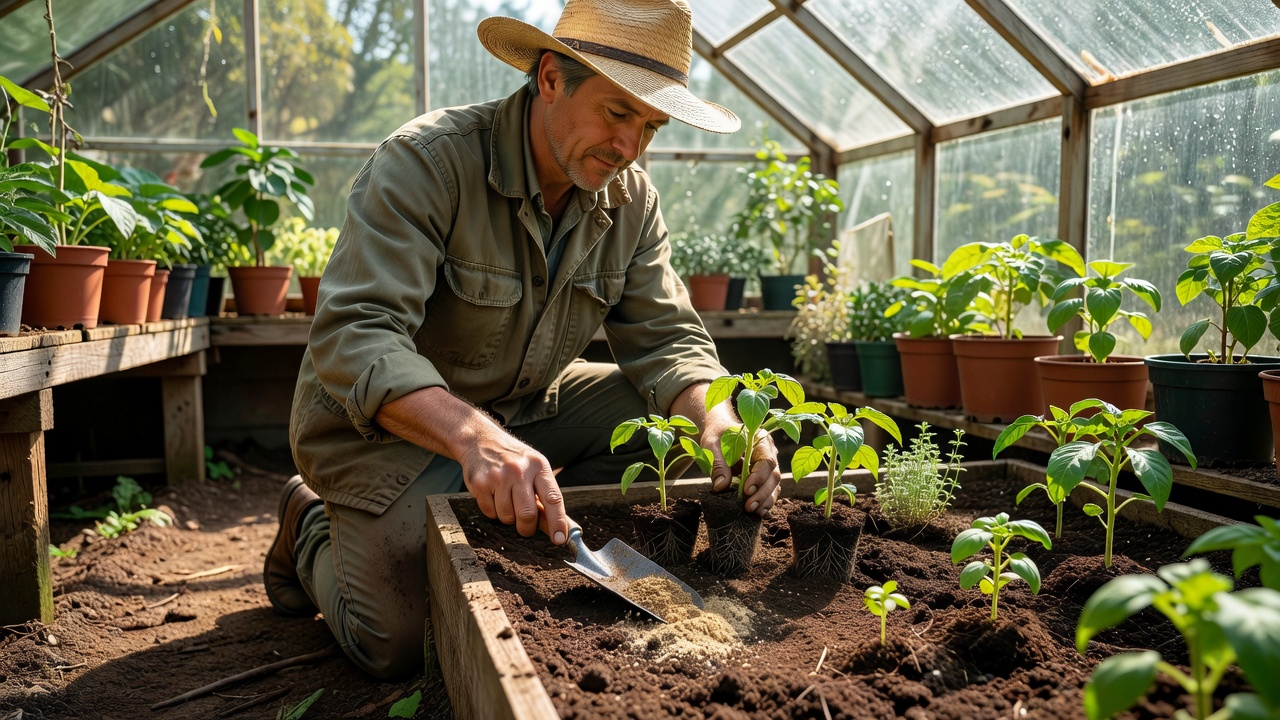
Applying Cloroot correctly is key to achieving desired outcomes. For new plantings, mix the recommended dosage into the planting hole before inserting the plant. For established plants, dilute in water and apply around the base, allowing it to soak into the root zone. Frequency depends on plant type, but monthly applications during growing seasons often yield the best results. Always follow label instructions to prevent overuse. Combining Cloroot with balanced fertilization creates a comprehensive care routine. Monitor plant response over time to adjust usage as needed.
Common Questions About Cloroot
Many gardeners wonder about compatibility with different plant species. Cloroot is suitable for a wide variety including vegetables, flowers, and shrubs. It performs well in both indoor and outdoor settings. Those concerned about organic gardening will appreciate its natural base ingredients. In summary, incorporating Cloroot into regular plant care routines supports robust growth and healthier specimens overall. Experimentation within guidelines helps tailor its use to specific garden needs.