24 Apr 2026
Understanding Cloroot Application Basics
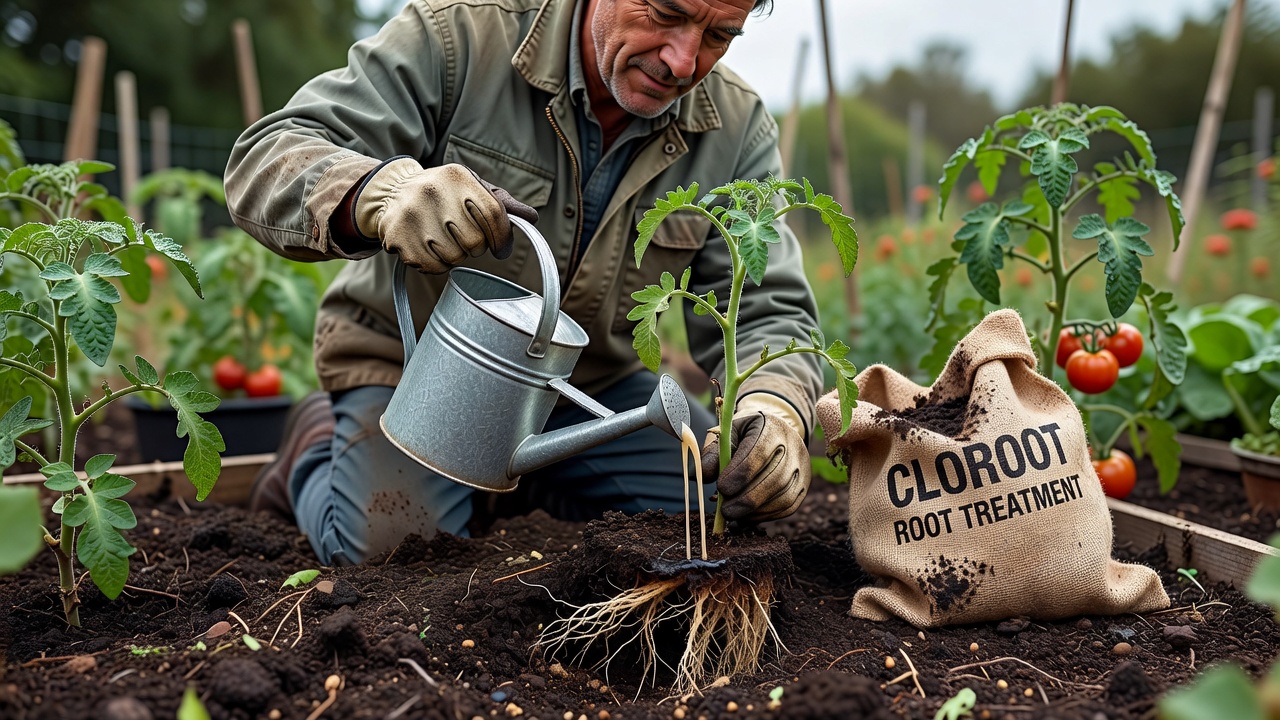
Cloroot serves as a specialized root treatment designed to support plant health through targeted nutrient delivery. Users should begin by reviewing product instructions carefully to match dosage with specific plant types and soil conditions. Proper preparation of the application area helps ensure even distribution and minimizes waste. Monitoring initial plant response within the first few days provides early feedback on compatibility.

Key Signs to Monitor After Application
Observe root development and leaf color changes over the following weeks. Healthy signs include steady new growth and vibrant foliage without wilting. Watch for any discoloration or slowed progress, which may indicate the need to adjust watering schedules or environmental factors. Soil moisture levels play a critical role, so regular checks prevent over-saturation or dryness that could affect results. Temperature fluctuations also influence how Cloroot interacts with roots, making consistent conditions beneficial.
Long-Term Care and Adjustments
Continue tracking plant progress monthly to evaluate overall effectiveness. If growth stabilizes positively, maintain the established routine while noting seasonal variations. Should issues arise, consider soil testing to identify imbalances and refine future applications. Combining Cloroot use with balanced nutrition supports sustained root strength. Documenting observations helps identify patterns and optimize outcomes across different plant varieties. This approach promotes reliable results while adapting to individual garden needs.